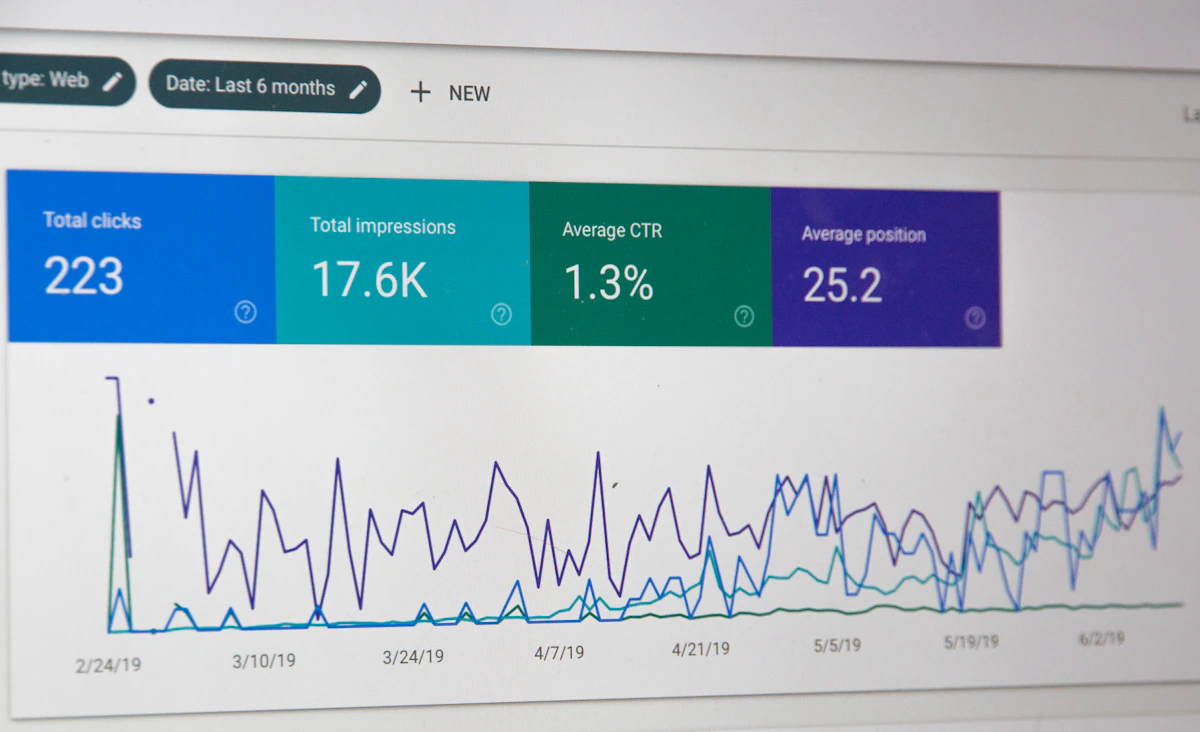


When somebody searches "roofer near me" or "accountant in Guildford", the three businesses shown in the map box get the majority of the clicks. Everything below is fighting for scraps. Here is how those three places are earned.
1. Treat your Google Business Profile as a real asset
Fill in every field. Exact category, service areas, opening hours, services list, and at least twenty genuine photos. Post updates monthly. An abandoned profile ranks like an abandoned shop.
2. Reviews are the scoreboard
Volume, recency and keywords all matter. A steady drip of reviews beats thirty reviews from two years ago. Ask every happy customer, make it one tap, and reply to all of them, including the awkward ones.
3. Your website has to back the profile up
Google cross-checks your profile against your site. That means:
- Your business name, address and phone number displayed consistently.
- Dedicated location pages with genuinely different content for each area you serve, not the same paragraph with the town swapped out.
- LocalBusiness structured data so search engines can read your details without guessing.
4. Proximity is real, relevance is winnable
You cannot move your office, but you can out-rank closer competitors by being more relevant and more trusted. Deeper service pages, better reviews and faster load times are all things you control.
5. Citations and consistency
Get listed on the directories that matter in the UK, and make sure every listing matches. Conflicting phone numbers and old addresses actively hold you back.
6. Measure the right things
Track calls, direction requests and form submissions rather than raw rankings. Rankings move by postcode; enquiries do not lie.
Local SEO is not a trick, it is maintenance done consistently. If you would like an honest assessment of where you sit for your town, ask us for a free audit.